
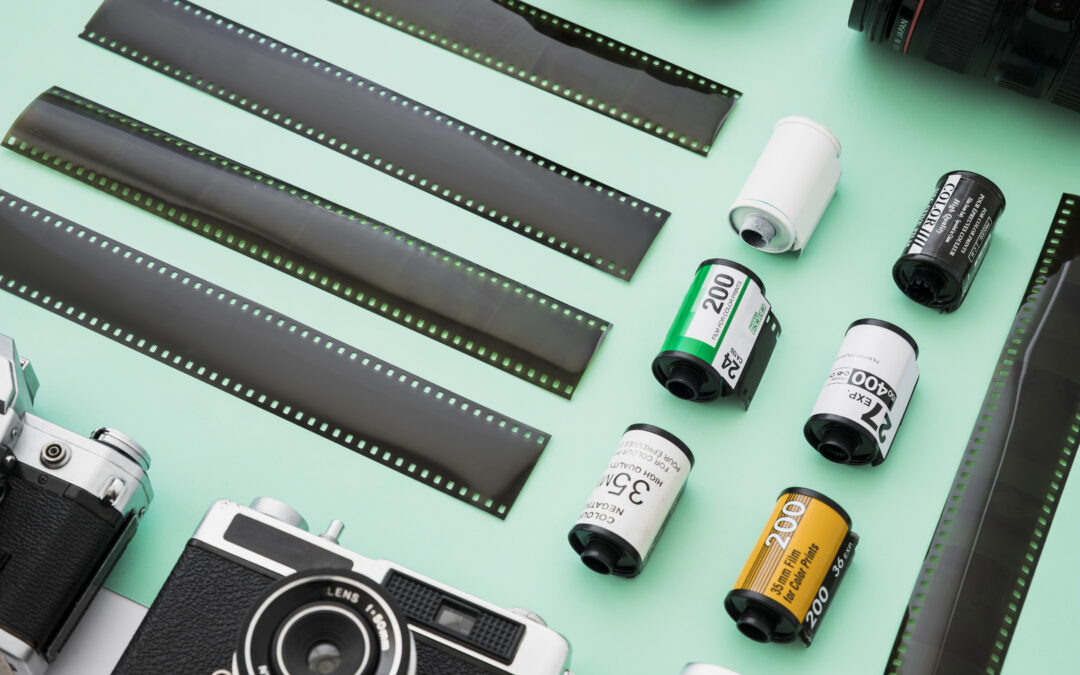
If you’ve ever discovered old 16mm film reels tucked away in a closet, basement, or archive box, you know the feeling curiosity, nostalgia, and concern. Film is incredibly fragile, and time is not on its side.
So, the real question isn’t just “Is converting 16mm film worth the investment?”
It’s: Can you afford not to?
While it may be tempting to delay or attempt a do-it-yourself approach, preserving film properly requires expertise, precision, and specialized equipment. In this article, we’ll explore why professional 16mm film transfer is often the safest and smartest investment you can make.
Why 16mm Film Preservation Matters
16mm film has preserved decades of memories family milestones, historical footage, educational content, and cultural records. But unlike digital formats, film physically degrades over time.
Common issues include:
- Color fading
- Vinegar syndrome (chemical breakdown)
- Brittleness and cracking
- Mold and dust damage
- Scratches and broken splices
These problems don’t just reduce quality; they can permanently destroy your footage. And once that happens, no amount of technology can fully recover what’s lost.
Digitization isn’t just a convenience; it’s a race against time.
The Hidden Cost of Doing Nothing
Many people assume leaving film untouched is the cheapest option. In reality, it can be the most expensive mistake.
Proper long-term film storage requires:
- Climate-controlled environments
- Archival containers
- Humidity monitoring
- Routine inspections and cleaning
Even with ideal conditions, deterioration can still occur. And if your film is already aging, waiting only increases the risk of irreversible damage.
The true cost isn’t storage; it’s losing irreplaceable memories forever.
Why DIY Film Conversion Isn’t as Simple as It Sounds
At first glance, DIY film conversion may seem like a budget-friendly solution. But in practice, it’s far more complicated and risky than most people expect.
What DIY Really Involves
- Purchasing or renting specialized equipment
- Learning technical setup and calibration
- Handling delicate, aging film
- Managing lighting, focus, and frame capture
- Editing and correcting the final output
The Real Downsides
- Lower quality results (flicker, poor color, unstable frames)
- Time-intensive process with a steep learning curve
- Equipment costs that can rival professional services
- High risk of damage to fragile film
Even a minor mistake like improper threading or tension can permanently scratch or tear your film.
In short: DIY often trades short-term savings for long-term regret.
Professional 16mm Film Transfer: What You’re Really Paying For
Professional transfer services aren’t just about convenience; they’re about protecting your film and maximizing its quality.
When you choose a professional service, you’re investing in:
- Advanced scanning equipment designed specifically for film
- Frame-by-frame capture for maximum clarity
- Expert handling of delicate or damaged reels
- Color correction and image stabilization
- Restoration capabilities for aging footage
Key Benefits
- Sharper, high-resolution output if desired (HD, 2K, or 4K)
- Smooth, flicker-free playback
- Accurate color restoration
- Safe handling that prevents further damage
- Long-term digital formats for easy access and storage
This level of quality and care simply isn’t achievable with typical DIY setups.
The Real Comparison: DIY vs. Professional Transfer
When you look beyond surface costs, the difference becomes clear:
DIY Conversion
- Requires time, effort, and technical skill
- Produces inconsistent results
- Carries a real risk of damaging film
- Often costs more than expected
Professional Transfer
- Delivers consistent, high-quality results
- Protects fragile and valuable footage
- Saves time and eliminates guesswork
- Ensures long-term preservation
Most importantly, professional services remove the risk of irreversible mistakes.
Because when it comes to one-of-a-kind footage, there are no second chances.
The Long-Term Value of Digitization
Once your film is digitized, it becomes far more accessible and usable.
Digital files can be:
- Easily shared with family and friends
- Backed up in multiple locations
- Edited into videos or documentaries
- Used for educational or archival purposes
Unlike film projectors, now increasingly rare and difficult to maintain, digital formats ensure your footage can be enjoyed for generations.
An Investment Beyond Dollars
Some investments can’t be measured financially.
Your 16mm film may contain:
- Family members you can no longer revisit
- Moments never captured anywhere else
- Historical or cultural significance
Once lost, these memories are gone forever.
That’s why professional transfer isn’t just a service; it’s a way to protect your legacy.
Final Verdict: Is It Worth It?
Yes, absolutely.
But more importantly, professional 16mm film transfer is worth it.
While DIY methods may seem appealing at first, they come with risks that can compromise both the quality and safety of your footage. Professional services offer the expertise, technology, and care needed to ensure your film is preserved properly the first time.
Because preserving your memories isn’t something you want to experiment with.
Ready to Preserve Your Film the Right Way?
Your 16mm reels hold memories that deserve expert care, not guesswork.
At Leave A Legacy, we specialize in professional 16mm film transfer, using advanced equipment and proven techniques to deliver high-quality digital results while protecting your original film.
Don’t risk losing what matters most.
Contact us today to safely preserve your film and turn it into a lasting digital legacy.
Related Reading
Choosing the Right Format: What’s the Best Digital Output for Your 16mm Film Transfer?
Transferring old Tapes and Film to Digital Files and DVDs!!!