
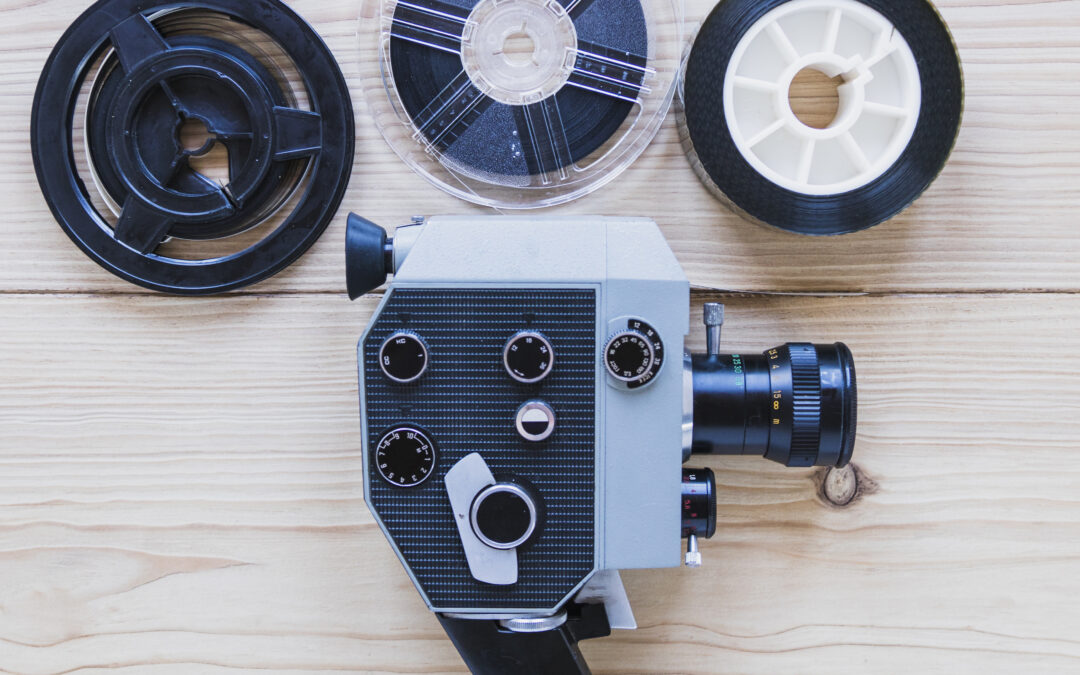
Digitizing 8mm film is a powerful step toward preserving family history. Those once-fragile reels; capturing birthdays, holidays, weddings, and everyday moments are now protected from physical decay. But digitization alone doesn’t guarantee long-term preservation. Without thoughtful storage and sharing strategies, digital files can be just as vulnerable to loss, corruption, or obsolescence as the original film.
Future-proofing your digitized 8mm videos means ensuring they remain accessible, secure, and meaningful for generations to come. Here’s how to protect your memories against changing technology while making them easy to share with loved ones.
Choose Reliable, Widely Supported File Formats
The foundation of long-term digital preservation starts with the right file format. When 8mm videos are digitized, they are typically converted into video files such as MP4 or MOV. Among these, MP4 (H.264 or H.265 encoding) is widely considered the safest choice for longevity.
MP4 files are supported across nearly all devices, operating systems, and media players. They strike a balance between quality and file size, making them ideal for viewing storage and sharing. Avoid obscure or proprietary formats that may require specialized software, as these can become inaccessible over time.
When possible, keep a high-quality master file along with smaller, compressed copies for everyday viewing. This ensures you can always return to the best available version if technology improves in the future.
Follow the “3-2-1 Rule” for Backup Storage
One of the most effective strategies for protecting digital files is the 3-2-1 backup rule:
- 3 copies of your digitized videos
- 2 different types of storage media
- 1 copy stored off-site
For example, you might keep one copy on your computer, another on an external hard drive, and a third in the cloud. External hard drives should be replaced every few years, as they can fail without warning. Solid-state drives (SSDs) tend to be more durable than traditional spinning drives but should still be backed up regularly.
Cloud storage adds a layer of protection against physical loss from fire, flooding, or theft, making it an essential part of any preservation plan.
Use Trusted Cloud Platforms for Accessibility
Cloud platforms provide both security and convenience, especially when sharing videos with family members in different locations. Reputable services offer encryption, redundancy, and regular system updates to keep files safe.
Look for platforms that allow private sharing, password protection, and controlled access. This ensures your family memories remain secure while still being easy to view. Some services also allow you to organize videos by date, event, or family member, making them more meaningful and discoverable.
Be sure to review storage policies and terms periodically. Technology evolves, and staying informed helps ensure your files remain accessible long-term.
Create a Private Digital Archive
For families focused on legacy preservation, a private digital archive can be invaluable. Unlike public social media platforms, where content can be compressed, removed, or lost; a dedicated archive keeps your videos intact and under your control.
Private archives allow you to add context to your videos, such as names, dates, locations, and stories behind each moment. This transforms old footage into a living family history rather than a collection of silent clips. Future generations won’t just see faces on a screen; they’ll understand who those people were and why those moments mattered.
Make Sharing Easy but Intentional
Sharing digitized 8mm videos should be both simple and meaningful. Instead of sending large files through email or messaging apps that reduce quality, use secure links or shared folders designed for video playback.
You might also consider creating curated collections for specific family members or occasions. For example, a compilation of childhood memories for a milestone birthday or a holiday tradition video for annual gatherings.
Intentional sharing helps preserve emotional value while protecting the integrity of the original files.
Plan for Future Technology Changes
No storage method lasts forever without maintenance. Set reminders to review your digital archive every few years. Check file integrity, update storage devices, and migrate files to newer formats or platforms as needed.
Staying proactive ensures your family memories don’t become trapped on outdated technology; much like the original 8mm reels once were.
Preserve More Than Just Video
Digitized 8mm footage holds more than images; it carries voices, movement, and emotion that photographs alone can’t capture. Protecting these memories ensures your family’s story remains alive, accessible, and shareable for generations to come.
Start Building a Lasting Digital Legacy
If you want to securely preserve, organize, and share your digitized 8mm videos in a way that truly honors your family’s story, Leave A Legacy can help. From safe digital archiving to meaningful storytelling, we specialize in protecting memories for future generations.
Contact us today and begin creating a legacy that lasts beyond technology, and beyond time.
Related Reading
Don’t Let Your Memories Fade: Common Issues with Old Betamax Tapes and How Digitization Solves Them
What to Expect from a Professional 8mm Film Transfer Service: A Step-by-Step Overview
8mm Video to Digital: How to Rescue Your Old Camcorder Memories Before It’s Too Late